 Jose Rodriguez
 EDINBURG – According to earth.org, fast fashion’s environmental impact causes greenhouse gas emissions and uses massive amounts of water and energy.
Fast fashion is a business model defined as the rapid production of clothing following the latest fashion trends to sell at a low cost.
Earth.org reported the fashion industry uses about 700 gallons of water to produce one cotton shirt and 2,000 gallons of water for a pair of jeans.
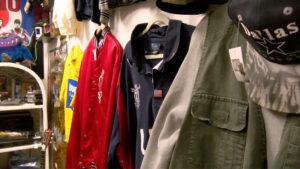
Jason Muñoz, the owner of Remanace Vintage, said fast fashion follows micro trends that copy vintage fashion but does not hold the same value and material as vintage clothes.
“I know that these garments do last a lot longer,” Muñoz said. “So, that’s the thing that I care about most is the quality. And yeah, of course, all the other stuff that comes with the big factories that were against fast fashion. We just take pride in the quality of goods that we do get.”
Thrifting locations such as Goodwill explore secondhand clothing as a fashion statement to create a culture of sustainable fashion.
According to the University of Colorado Boulder, thrifting reduces the volume of clothing that is sent to landfills and decreases the chemical pollution of pesticides that is used during the growing process of clothing material such as cotton.
Cavalli Cano, a biology junior, goes to thrift stores once a week with his friends and does not like the waste that is produced out of fast fashion when a trend is over.
Cano added that he had bought products from fast fashion but switched to vintage and thrift stores for clothing that better suited his style.
“I feel like thrift stores, there’s more of a variety and stuff,” Cano said. “And not that many people would wear it. If you know, find an interest in that t-shirt or a piece of clothing you have that other stores don’t know or don’t supply, then it makes you unique or stand out like that.”
Muñoz said that shopping for vintage clothing allows you to rework a piece of clothing to not only express one’s style but reduce waste.